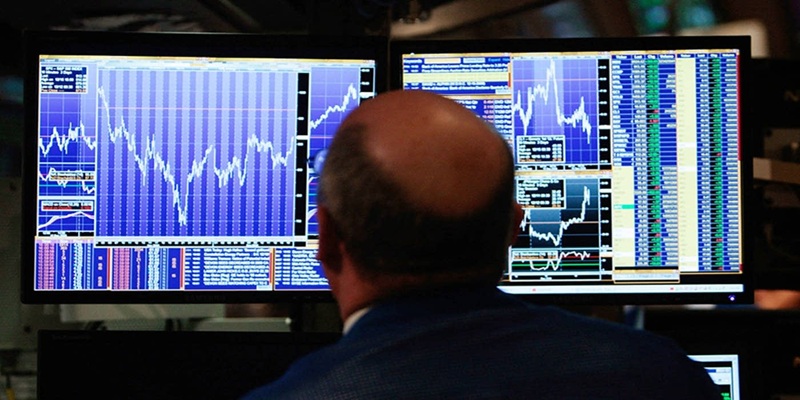
What should investors know to get through these difficult times, and how can recessions impact the stock market?
Stock price drops and heightened market volatility might result from the uncertainty that recessions can produce. Investors looking to safeguard their holdings and seize new chances must comprehend how recessions affect the market. During recessions, this article provides essential information to assist you in making well-informed financial choices.
What are Recessions?
In general, a recession is characterized by two consecutive quarters of negative GDP growth and a notable drop in economic activity throughout the economy that lasts for a long time. Business activity slows, consumer spending falls, unemployment increases, and general economic morale often deteriorates during a recession.
These factors can impact investor behaviour and stock performance across different sectors.
1. Stock Prices Typically Decline During Recessions
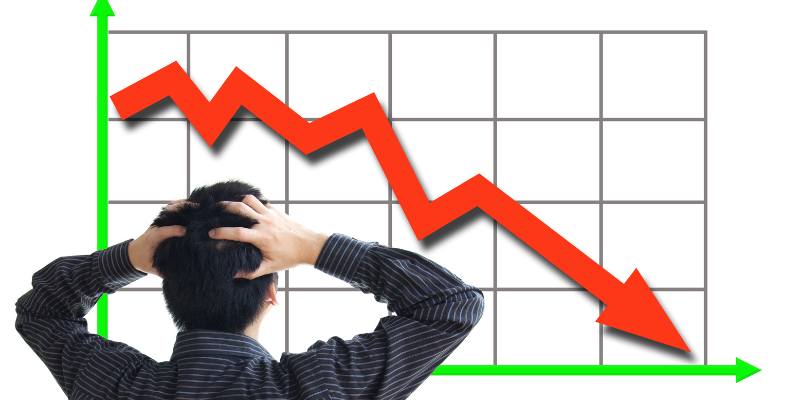
The drop in stock values is the most evident effect of a recession on the stock market. Stock prices typically decline when businesses announce lower profitability, decreased customer demand, and supply chain disruptions. In response to these warning signs, investors frequently sell off their equities, which causes market-wide falls. Bear markets, in which major stock indexes fall 20% or more from their peak, have historically been a common outcome of recessions.
However, only some market segments suffer from the same level of decrease. Because of the steady need for their goods and services, sectors like utilities, healthcare, and consumer staples may perform better during recessions than others like consumer discretionary, travel, and luxury goods.
2. Adaptability Growth in the Stock Market
Volatility tends to increase during recessions. Stock prices fluctuate wildly due to a combination of market emotion, shifting business earnings reports, and economic uncertainty. For instance, investors may overcorrect with abrupt rallies when positive data surfaces or overreact to negative news, causing stock values to drop precipitously.
Due to the increased volatility, investors may need help correctly forecasting short-term price swings. However, this volatility can also provide long-term investors with the chance to purchase equities at a discount.
3. Defensive Stocks Tend to Outperform
Investors frequently turn their attention to defensive stocks—businesses that provide goods and services that consumers require regardless of the state of the economy—during recessions. These include companies that provide utilities, healthcare, and consumer essentials, including food, cleaning supplies, and personal hygiene goods. Defensive stocks are a refuge for investors seeking stability since they are often less volatile and may do well during economic downturns.
For instance, even during difficult economic times, businesses like Procter & Gamble, Johnson & Johnson, and energy suppliers usually retain consistent sales. Because of this, these equities frequently see less severe drops during recessions and could even beat the overall market.
4. Purchasing Opportunities May Occur During Recessions
Recessions can be challenging for investors, but they also present opportunities to buy cheap stocks. When market stock prices decline, some firms may be trading at a discount, offering a chance to purchase premium equities at a reduced cost.
Recessions can allow long-term investors to increase their wealth by buying firms with solid fundamentals that are momentarily out of style. With the hope that the market would rebound once the economic cycle turns positive again, successful investors frequently see recessions as an opportunity to purchase excellent businesses at a discount.
It is crucial to prioritize businesses with robust business models, competitive advantages, and healthy financial sheets. These businesses have a better chance of surviving the storm and recovering faster after the recession.

5. Investor Confidence May Drop With Increasing Uncertainty
Investors frequently become fearful during a recession due to uncertainty. Panic selling may flood the market as companies fire employees, stories of increased unemployment surface, and consumer confidence drops. This fear-driven behaviour can make the stock market slump worse through a vicious cycle of falling prices and eroding investor confidence.
Investors need to remember that market declines brought on by recessions are usually brief. Markets have typically recovered and expanded over time, even though recessions can last months or even years. Investors should avoid rash decisions during these unpredictable times by keeping a long-term outlook and a disciplined approach.
6. Diversification Is Key to Reducing Risk
Diversification is still one of the best strategies to reduce risk during a recession. A well-diversified portfolio spanning many industries, asset classes, and geographical areas can protect investors from the worst effects of a downturn.
Investors can lower the risk of suffering significant losses in any asset by maintaining a range of investments that respond to economic downturns in diverse ways.
Conclusion: Making Informed Investment Decisions During Recessions
Investors may face serious difficulties during recessions, such as falling stock values and increased market volatility. But for those who have a long-term outlook, they also present possibilities. Investors may better handle economic downturns by concentrating on defensive equities, keeping a diversified portfolio, and exercising patience during market swings. Maintaining discipline and refraining from rash judgments will put investors in a position to profit from safe, long-term financial growth.