Consumer spending has always been a significant driver of economic health, especially in determining the fortunes of retail stocks. In 2024, consumer spending patterns constantly change due to economic shifts, inflation, and consumer behaviours. This transformation affects how much people spend and where they spend it. Retail stocks, in particular, have experienced ups and downs due to these evolving dynamics. In this article, we will explore how these spending habits are influencing the retail landscape today.
Understanding Consumer Spending Trends And Their Impact On Retail Markets
Significant shifts in priorities and budget management characterize the state of consumer spending in 2024. The continuing pressure of inflation has led to more price-sensitive consumer behaviour, with many prioritizing essential goods over discretionary purchases. Retail categories such as apparel and luxury goods are declining, while sectors dealing in necessities like groceries are experiencing stable sales growth. This trend has forced retailers to adjust their inventory and marketing to match shifting demand, focusing more on essential items that can cater to the needs of budget-conscious consumers (source: Wall Street Times).
Interestingly, consumers have also embraced private-label products in essential categories as these goods provide similar quality at lower prices, thus further affecting brand loyalty in the retail sector. Companies that have adapted to offer private-label products or competitive discounts are better positioned in this evolving market.
The Role Of Economic Factors In Shaping Consumer Behavior
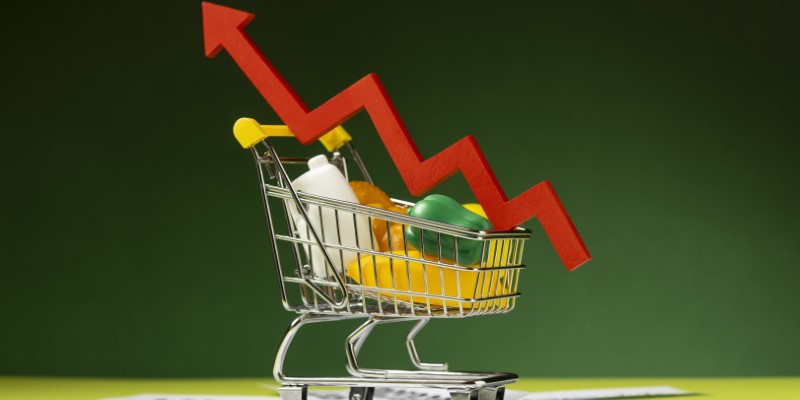
Economic factors like inflation, interest rates, and wage growth significantly impact consumer behaviour, affecting retail stocks. In 2024, inflationary pressures have remained a concern, albeit with some moderation compared to 2022-2023. Rising prices have led many consumers to rethink their shopping habits, focusing more on essential goods than discretionary items. This shift in purchasing priorities means that retailers specializing in non-essential products, such as luxury goods or high-end electronics, may see a dip in sales, ultimately influencing their stock performance.
On the other hand, retailers focused on necessities, like grocery chains and discount stores, are benefiting as consumers look for ways to save money. As interest rates remain relatively high in 2024, consumers have also been deterred from taking on new debt, which impacts their ability to spend freely, especially on big-ticket items. Retailers selling home goods, vehicles, and other financed products have faced a more demanding market environment, with these economic challenges reflected in their stock prices.
While wage growth has improved slightly, it has yet to keep pace with inflation for many households. As a result, disposable income for non-essential purchases remains limited, leading to slower sales growth for retailers in specific segments. This discrepancy is crucial for investors, as retail stocks tied to consumer discretionary spending are more vulnerable to the effects of limited disposable income.

Shifts In Online Vs. In-Store Purchases: A Changing Landscape For Retailers
The e-commerce landscape continues to grow in importance for retail, primarily driven by younger consumers who prefer the convenience of online shopping. In 2024, retailers like Walmart and Shopify reported notable increases in their e-commerce segments, indicating that investing in online sales channels is more crucial than ever. Many retailers also adopt an omnichannel approach, integrating their physical and digital platforms to offer seamless shopping experiences, such as online purchases with in-store pickups. This strategy not only improves customer satisfaction but also captures a larger market share by meeting the changing needs of modern shoppers.
However, the physical retail space is still relevant. Retailers who provide unique in-store experiences or focus on essential goods continue to thrive, indicating that a balanced approach catering to online convenience and in-store experiences is vital for success in today's market.

Impact Of Inflation And Interest Rates On Retail Stock Performance
Inflation continues to be a significant headwind for retail stocks in 2024. The rising costs of essential goods like food and housing have led consumers to cut back on spending in more discretionary categories, including electronics, apparel, and luxury goods. Many retailers have responded by offering aggressive discounts and promotions to maintain customer loyalty and boost sales, but this strategy often reduces profit margins and impacts long-term profitability.
Higher interest rates have also negatively affected sectors that depend on consumer credit, such as home improvement and automotive. Companies like Home Depot have felt the sting of rising mortgage rates as homeowners delay renovations. In response, retailers are trying to balance attractive pricing and maintaining margins, a struggle evident across many retail industry segments.

How Consumer Confidence Influences Retail Stock Market Movements
Consumer confidence is another critical factor influencing retail stock performance. In 2024, consumer confidence levels have been volatile, reflecting the mixed signals from the economy. When confidence is high, consumers are more likely to spend, which drives up sales and boosts retail stocks. Conversely, when confidence dips, people become cautious, limiting their spending and impacting the retail sector.
Economic uncertainties, including the risk of a potential recession, have led to fluctuating consumer confidence levels throughout 2024. Retailers seen as less risky or more adaptable to economic changes—like those focused on everyday essentials—have attracted more interest from investors. On the other hand, retail companies offering luxury or non-essential items have seen their stocks face more significant pressure, mainly because consumers feel less inclined to splurge during periods of economic uncertainty.
The impact of consumer confidence also extends to retail marketing strategies. In 2024, many retail companies have focused on value-based messaging, which resonates better with consumers facing economic pressures. Retail stocks that have successfully communicated their value proposition through pricing strategies, loyalty programs, or enhanced customer service have shown greater resilience in consumer confidence shifts.
Conclusion
Consumer spending patterns in 2024 reflect the complex interplay between inflation, interest rates, and shifting consumer preferences. As consumers continue to navigate economic uncertainty, their spending choices are increasingly shaped by a preference for value and essential goods. Retail stocks, in turn, are directly impacted by these evolving patterns. Companies that manage to adapt through competitive pricing, embrace digital sales channels, and offer essential products have a better chance of thriving in this challenging landscape.